 List
List
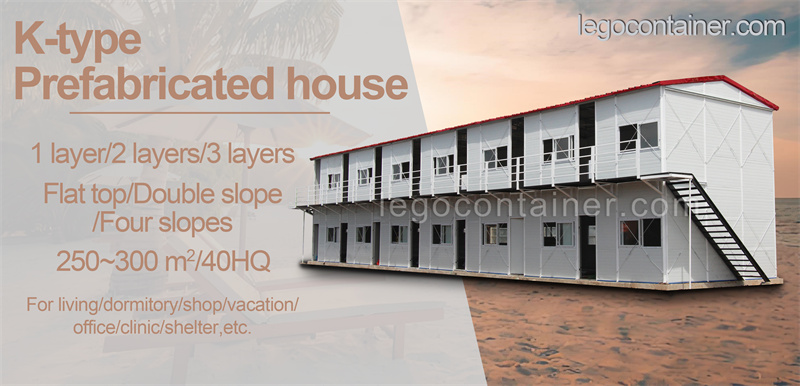
1.What is K-type prefabricated house?
Modular structure: The house is constructed using prefabricated panels or on-site assembled profiles, which shortens the construction time.
Compact design: Typically, K-type houses have space saving designs, making them an ideal choice for small or temporary housing solutions.
Energy efficiency: The design of prefabricated houses can use materials and technologies that ensure better insulation and lower energy consumption.
Cost effectiveness: Generally speaking, they are more affordable than traditional houses because they require less on-site construction labor and materials.
Quick installation: As most buildings are completed off-site, the assembly speed of K-type houses is much faster than traditional houses.
Flexibility: The modular feature allows for easy customization and expansion as needed.
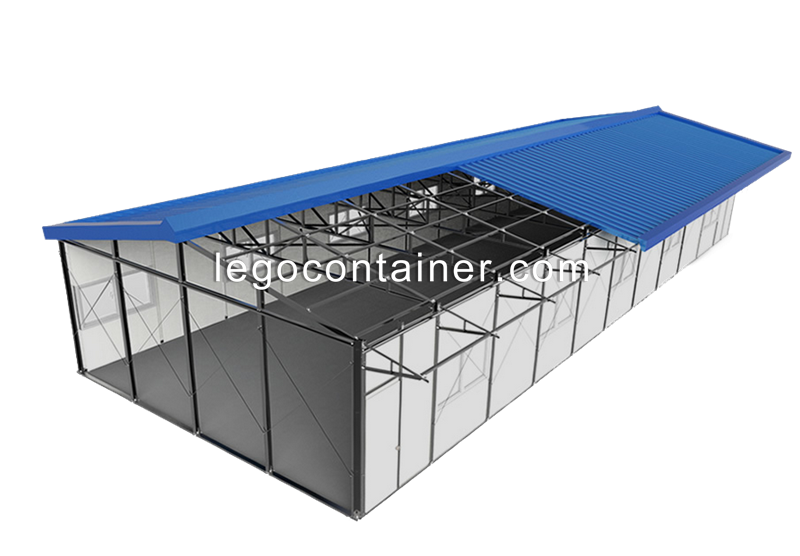
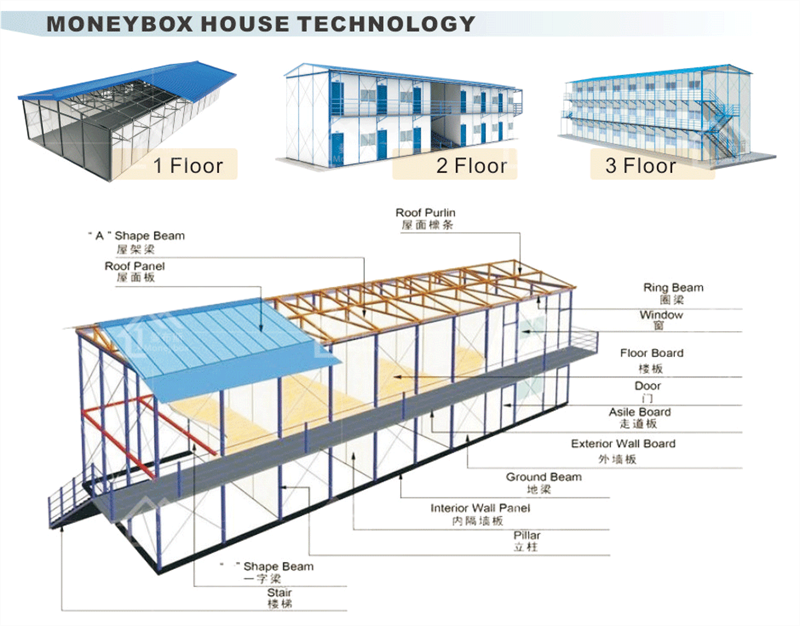
2.K-type prefabricated house Structure
3.What affects the K-type prefabricated house price?
1. Size and design
Size: Larger houses require more materials and labor, which may increase prices. The layout and quantity of rooms can also affect costs.
Design complexity: More complex designs, such as multi-layer structures or custom layouts, are typically more expensive than basic single-layer units.
2. Materials
Material quality: The type and quality of materials used in construction (walls, roofs, floors, insulation materials) will have a significant impact on prices.
Durability: Materials that provide better insulation, fire resistance, or weather resistance may initially be more expensive, but over time can reduce maintenance costs.
3. Customization and Functionality
Interior and exterior finishes: Customized finishes for interior and exterior elements such as flooring, wall paint, windows, doors, etc. may increase costs.
Additional features: solar panels, high-end lighting fixtures, HVAC systems, smart home functions, and even advanced energy-saving technologies (such as three-layer glass windows) will increase the overall price.
4. Manufacturing location
Factory location: Production costs may vary depending on the manufacturing location of prefabricated houses
Transportation cost: The cost of transporting prefabricated components to the construction site may increase the total price, especially if the location is remote or requires specialized transportation.
5. Labor and assembly costs
Local labor prices: The cost of on-site assembly may vary depending on the local labor market. If skilled labor is required for assembly, this may increase costs.
Construction time: Although the assembly speed of prefabricated houses is faster, labor costs and project duration will affect the overall price.
6. Land and Site Preparation
Land cost: If the land cost is high, it will significantly increase the overall price of K-type houses.
Site preparation: Preparing the site for foundations, including excavation, utilities (water, electricity, sewage), and other foundations, may increase significant costs. The required basic type (board, crawling space, etc.) will also affect the price.
7. Regulatory requirements and permits
Building codes and permits: Local zoning laws, building codes, and the need for permits may increase costs, especially when additional checks, modifications, or approvals are required.
8. Energy efficiency and sustainability
Energy saving design: The design of prefabricated houses is energy-saving, with better insulation, energy-saving windows, and environmentally friendly materials.
Sustainable materials: Using sustainable or environmentally friendly building materials such as bamboo, recycled steel, or low impact insulation materials can increase initial costs but bring environmental benefits.
9. Transportation costs
If prefabricated houses require long-distance transportation, the transportation cost of modular components may vary.
10. Manufacturers and suppliers
Brand and reputation: Some manufacturers are known for their high-quality, high-end designs, which may be more expensive.
Warranty and after-sales service: A good warranty or after-sales support can increase the price, but it may be a good investment for long-term peace of mind.
11. Seasonality
Prices may vary at different times of the year, and some manufacturers offer lower prices during off peak seasons to manage inventory.
12. Market demand
The overall demand for prefabricated housing in your region or country may affect pricing.
4.How to produce the K-type prefabricated house?
1. Design and Planning
Architectural design: The first step is to design the house based on its intended use (temporary housing, permanent residence, etc.), spatial requirements, and local regulations.
Engineering and structural planning: Once the design is completed, the structural engineer will create detailed drawings to ensure building safety, durability, and compliance with local building codes.
2. Material selection
Steel or steel frame: Due to its strength, flexibility, and cost-effectiveness, many K-type houses are constructed using steel frames or steel structures.
3. Production of prefabricated modules
Panel manufacturing: Prefabricated houses are made of prefabricated panels, which are mass-produced by factories. The design of these panels facilitates on-site assembly. Common panels include:
Wall panels: Insulated or non insulated, depending on climate and household use.
Roof panel: a lightweight but durable panel that is easy to install.
Flooring: Prefabricated concrete or steel flooring that provides a solid foundation.
Frame structure: Steel frames or supporting structures are manufactured in the factory.
Pre installation of electrical and piping systems: During the manufacturing process, electrical wiring and piping systems can be integrated into prefabricated walls and ceilings, thereby reducing on-site installation time.
4. Module assembly
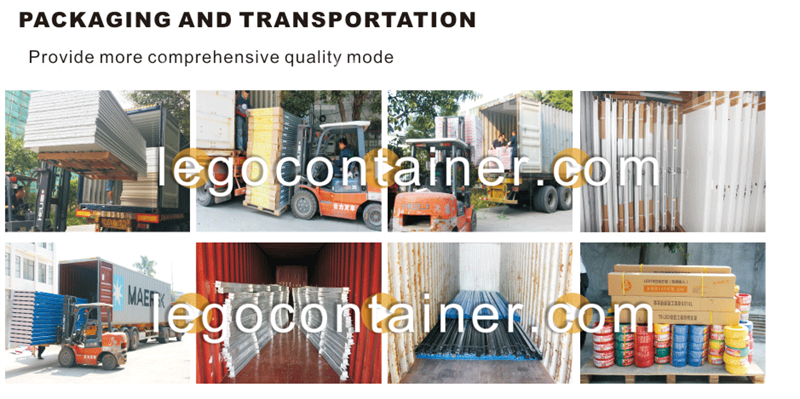
Component transportation: After the component manufacturing is completed, it is transported to the construction site. Specialized trucks or flatbed trucks are used for transporting panels, frames, and pre installed components.
On site preparation: Before starting assembly, the site must be cleaned and foundations (usually slabs, crawling spaces, or concrete blocks) prepared.
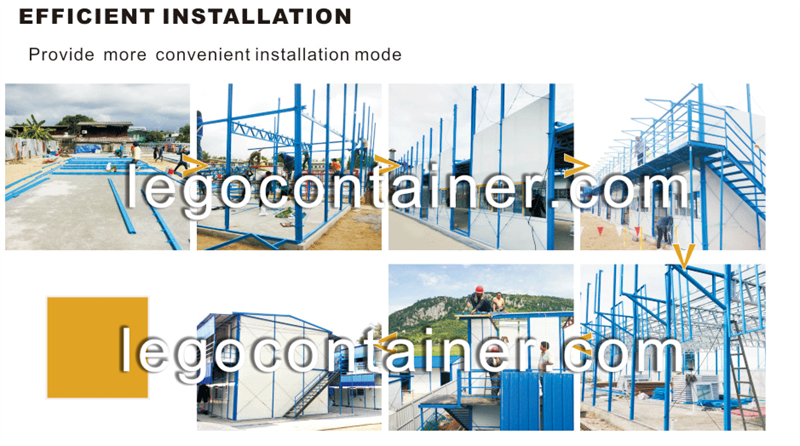
Modular assembly: Assemble modules (walls, floors, and roofs) on site. Install steel frame and then install prefabricated panels:
Structural framework: Steel frames are positioned and bolted together to ensure stability.
Wall panels and top panels: The wall panels and top panels are lifted into place using a crane and then bolted or welded to the frame.
Flooring: Prefabricated flooring is placed on a foundation and connected to a frame.
5. Installation of public facilities
Pipeline: Once the main structure is assembled, the pipelines (water supply, sewage, and drainage) will be connected to the house.
Electrical system: The electrical system (lighting, sockets, and switches) has been connected and tested.
HVAC: If the house includes heating, ventilation, and air conditioning systems, these devices are installed after structural assembly.
6. Decoration and Interior Engineering
Insulation: If additional insulation is required, it can be installed on walls or ceilings at this stage to improve energy efficiency.
Interior decoration: This includes floor installation, painting, window installation, door frames, and cabinets.
Exterior wall cladding: The exterior wall adopts suitable cladding (metal panels, wall panels, brick veneers, etc.) to ensure aesthetics and weather resistance.
7. Final inspection and testing
Once the construction is completed, a final inspection will be carried out to ensure that all systems are functioning properly.
Electrical testing: Ensure that all electrical system wiring is safe and functioning properly.
Pipeline testing: Check for leaks and appropriate water flow.
Structural integrity: Ensure that the framework, foundation, and overall structure comply with safety standards.
8. Delivery and Handover
Final handover: After the house is accepted as qualified, it will be handed over to the owner or project manager. At this point, the house is already habitable.
Warranty and Support: Manufacturers typically provide warranty for prefabricated houses, covering structural issues or material defects.
9. Optional upgrade
After the completion of the house, additional features such as solar panels, rainwater collection systems, or smart home systems can be added to improve energy efficiency and sustainability.
5.How to package and loading the K-type prefabricated house?
6.How to install the K-type prefabricated house?
7.What's the life span of the K-type prefabricated house?
The lifespan of K-type prefabricated houses may vary due to various factors, including the quality of materials used, maintenance, and environmental conditions. Generally speaking, if properly maintained, K-type prefabricated houses can be used for 15 to 20 years or longer. However, the actual lifespan may vary due to the following factors:
Material quality: Higher quality materials such as galvanized steel, concrete slabs, or durable insulation materials can extend the service life of the house.
Maintenance: Regular inspection, cleaning, and repair can significantly extend the lifespan of the structure.
Climate: Houses in harsh environments such as extreme cold, heavy rain, or strong winds may wear out faster.
8.K-type prefabricated house design.
9.K-type prefabricated house applications.
10.How much is K-type prefabricated house?
Basic K-shaped prefabricated houses: For smaller and simpler models (approximately 30-60 square meters), prices typically range from $50 to $100 per square meter. This means that the total cost may range from $1500 to $6000, depending on size and quality.
Mid range K-type residential: For larger or more customizable models, the cost may range from $200 to $500 per square meter. This will result in a total cost of $6000 to $50000 for houses over 30 to 100 square meters.
High end K-type residences: If you choose high-quality materials, high insulation standards, or advanced technologies (solar panels, smart home features), the price may rise to $1000 to $3000 per square meter, resulting in the cost of large residences reaching $30000 to $180000 or higher.


